Nature-based Speech Therapy Groups, Training and Resources for Families, Schools, and Clinicians.
For Families
Therapy Groups
Small group sessions in nature where children learn through play. We work with children and their families in outdoor settings, building social skills and communication abilities through nature-based activities, exploratory play, and authentic connection in natural environments.
1:1 Therapy
Tailored support where nature becomes the therapy room. One-on-one sessions use outdoor play and natural settings to address your child's unique communication goals, building skills through exploration, discovery, and authentic engagement with the natural world.
For Schools
Group Programs
Nature-based group programs that build communication through outdoor play. We partner with schools to deliver engaging sessions in natural settings, fostering social participation and skill development through meaningful outdoor experiences.
For Therapists
Supervision
Specialised supervision and training for speech pathologists. Discover how to integrate nature-based approaches and outdoor play into your practice with expert guidance, practical strategies, and ongoing support to transform your therapeutic work.
Professional Development
We develop and deliver training on nature-based speech pathology and how to implement it in your practice. We run annual group sessions, and can also organise additional training specifically for your team.
If you'd like to be notified of the next training or would like to arrange a session for your team, please get in touch.
Our Team
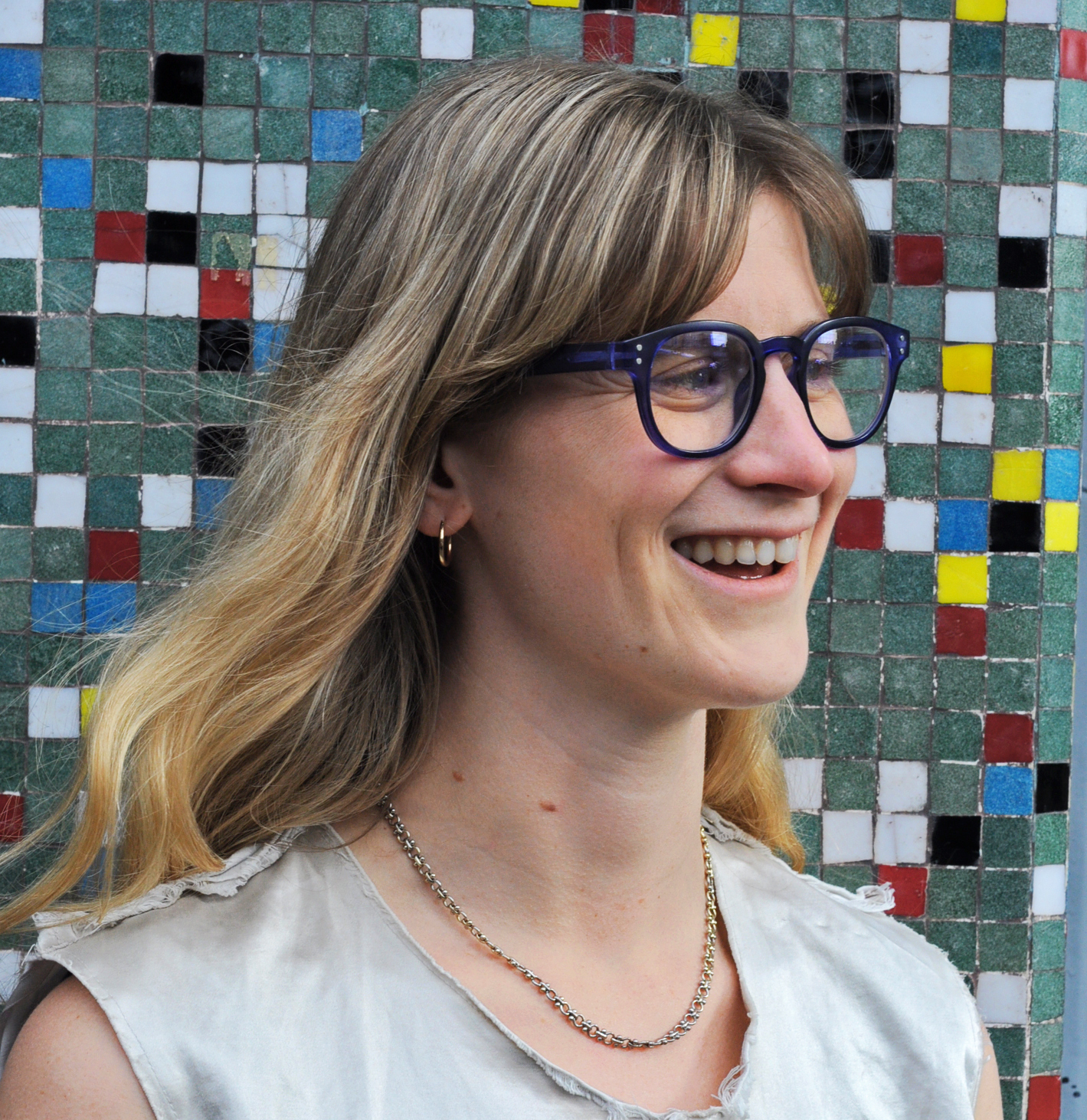
Claire Esterman
Marielle Fabian
Join Our Team
We're always keen to connect with nature-loving AHAs and speech pathologists for future opportunities. If you'd like to hear when we're looking for team members to help run our group programs, please send us an email!
Yes please!
Best Selling Resources
This is a fun, evidence-informed resource that helps children connect with nature and master challenging speech sounds. And also helps speech pathologists coach communication partners, teaching the strategy of multiple repeats.
This printable includes a nature hunt designed to target S cluster sounds in the initial position of words.
Inside, youโll find:
The Nature Hunt! Illustrations are hand-drawn originals, and the nature hunt includes lots of sensory elements to deepen learning and enhance engagement.
A strategy guide for communication partners, focused on evidence-backed approach of multiple repetitions and how to use it during the hunt to support the acquisition of S-clusters.
A development guide outlining when S-clusters typically emerge, and when to consider seeking extra support.
Ideas for different ways to complete the nature hunt, making this tool flexible for different children, or groups. It is designed to be flexible so it can be used again and again!
Illustrations are hand-drawn originals, and the nature hunt includes sensory-rich elements to deepen learning and enhance engagement.
This free three-page resource is designed to support speech pathologists in coaching parents and other communication partners to use more comments than questions as a language facilitation strategy.
The resource includes:
Page 1: Information explaining why increasing the use of comments rather than questions is beneficial for supporting child language development
Page 2: Instructions on how to use the activity table
Page 3: An table for the speech pathologist and communication partner to complete together, designed to improve the use of comments as a strategy to support child language development
This resource is designed to support all children, neurotypical and neurodivergent in recognising and responding to their peers' bids for connection. It is especially helpful in bridging communication differences between neurotypes, where social cues around play can sometimes be missed. Educators, speech pathologists, and parents can wear the visual tool as a lanyard and use it to gently point out moments when a child is inviting connection or play. To introduce the resource, itโs important to show all children the various ways people might express a desire to play, highlighting that all these approaches are valid. This helps foster understanding, supports friendship development, and encourages inclusive, collaborative play.
What you get:
Visual lanyard printable with 12 cards each representing a different way a child might make a bid for connection.
A spare sheet for you to create your own cards to represent the children that you are working with.
A instruction sheet on how to prepare the visual lanyard and how to use the resource.